Top Removals Myths That Risk Damaging Your Belongings
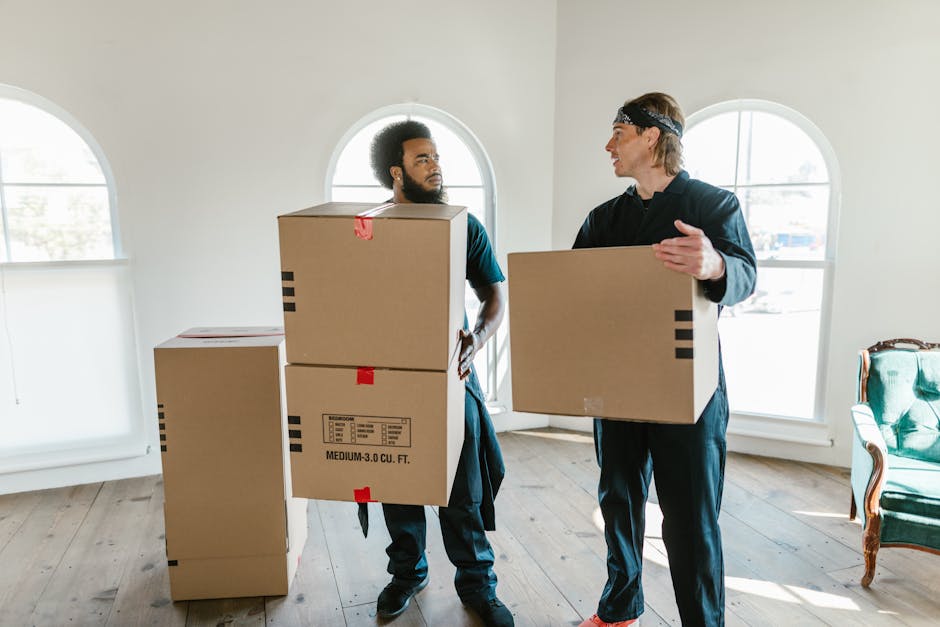
If you are planning a move, there is a good chance you have already heard a dozen "helpful" tips from friends, neighbours, or that one relative who once moved a sofa in the rain and now considers himself an expert. Truth be told, some removals advice sounds sensible until it leaves your glasses chipped, your wardrobe scuffed, or your back aching for three days. This guide on Top Removals Myths That Risk Damaging Your Belongings is here to clear the noise and help you avoid the common mistakes that cause real damage.
We will break down the myths, explain why they are risky, show what actually works, and help you make better decisions before moving day arrives. If you want a calmer move, fewer surprises, and belongings that make it to the other side in one piece, you are in the right place.
Why Top Removals Myths That Risk Damaging Your Belongings Matters
Moving is one of those jobs where small assumptions can become expensive problems very quickly. A myth like "everything will be fine if it is only a short move" sounds harmless, but distance is not the only thing that causes damage. Poor stacking, weak packing, rushed lifting, and the wrong vehicle setup can all create impact damage, compression damage, and hidden wear before you have even left the street.
Why does this matter so much? Because many household items fail not from one dramatic accident, but from lots of tiny avoidable pressures. A lamp gets packed with no cushioning. A mirror is leaned the wrong way. A box is filled with books on top and fragile items underneath. Nothing looks broken at first. Then later, you notice the crack, the dent, the bent hinge. Annoying, yes. Preventable, absolutely.
It also matters because moving day is usually busy, noisy, and a bit emotional. People make quicker decisions than they would on an ordinary day. You can almost feel the tempo rising in the hallway: tape ripping, boxes scraping, someone calling from the van. That is exactly when bad advice slips in. The best approach is not to panic, but to know which myths to ignore before the boxes are even sealed.
Expert summary: The biggest removals mistakes are rarely dramatic. They are usually ordinary assumptions repeated under time pressure. That is why myth-busting matters. It protects your belongings, your time, and your peace of mind.
If you are comparing moving help, it also helps to understand the difference between a basic man and van move and a more structured service. Pages like man and van and removal services explain service types that can suit different move sizes and risk levels.
How Top Removals Myths That Risk Damaging Your Belongings Works
The phrase may sound dramatic, but the process is straightforward: myth leads to poor preparation, poor preparation leads to exposure, and exposure leads to damage. The damage can happen during packing, loading, transit, unloading, or storage. Sometimes it shows immediately. Sometimes it hides until you unpack and realise a drawer runner has split, a television bracket has bent, or a dining chair leg is no longer quite right.
Here is the basic chain. First, someone assumes packing materials are optional. Then fragile items are wrapped in whatever is nearby. Then heavy boxes are overfilled because "they only need to go from one house to another." Then the van is loaded with no clear order. The result? Pressure points, shifting items, and avoidable knocks. It is simple, almost boringly simple, which is why people miss it.
To be fair, a lot of damage happens because people underestimate movement inside boxes and vehicles. Even on a smooth route, items vibrate, lean, and settle. A box that feels secure when you lift it from the floor can become unstable once it sits above another stack for half an hour. That is why padding, box selection, and load placement matter far more than many people expect.
There is also a common misunderstanding about transport size. A bigger van is not automatically safer if items are not strapped, cushioned, or arranged properly. Likewise, a smaller vehicle is not automatically risky if the load is balanced and packed with care. The myth is the problem, not just the vehicle.
If you are considering equipment and vehicle options, it may help to read about the practical differences between a moving van, a removal van, or a dedicated moving truck. The right choice depends on what you are moving, how fragile it is, and how much handling the items will need.
Common myths behind avoidable damage
- "A few old towels are the same as packing materials."
- "If it fits in the box, it is fine."
- "Everything is strong enough if you carry it carefully."
- "The van is the van; loading order does not matter."
- "Professionals do the same thing as everyone else, just faster."
That last one is a classic. Professional moves are not just faster. They are usually more methodical. The method is the point.
Key Benefits and Practical Advantages
Getting removals advice right has a very practical payoff. You reduce breakages, save time unpacking, and avoid the hidden cost of replacing items that should have survived the move. There is also the emotional side. A move can be stressful enough without opening a box and finding your favourite mug in pieces. Small loss, big sigh.
Here are the most useful advantages of rejecting bad removals myths:
- Less damage: Proper packing and handling reduce friction, impact, and pressure damage.
- Faster unpacking: Well-labelled, well-packed boxes are much easier to sort.
- Better space use: Boxes and furniture fit more safely when loaded with intention.
- Lower stress: Clear planning means fewer last-minute scrambles on moving day.
- Improved item tracking: Good labelling helps you find essentials quickly.
- More confidence: You know what is protected and why.
There is a commercial side too. If you are booking help, having a realistic understanding of what is involved makes quotes easier to compare. It also helps you avoid paying for the wrong level of service. A quick flat move and a full-house move are not the same beast. Not even close.
For example, if you need a more complete packing setup, services like packing and unpacking services can reduce risk around fragile household goods, awkward items, and time pressure. If your move involves a workspace, office removals and office relocation services bring different planning needs again.
Who This Is For and When It Makes Sense
This advice is useful for almost anyone moving house, flat, office, or a few bulky items. But some people need it more than others. If your belongings include glass, electronics, artwork, antiques, high-value furniture, or awkward pieces that do not pack neatly, the myths can be costly. If you are moving in London, where access can be tight and parking can be awkward, the risk rises again.
It also makes sense for people who are trying to save money. That might sound odd, but hear me out: many damage claims begin with an attempt to cut corners in the wrong place. A box saved is not worth a lamp broken. A slightly cheaper van is not a bargain if the sofa gets scraped through a narrow stairwell. Let's face it, false economy is still economy only in the very loosest sense.
This topic is especially relevant if you are:
- moving from a top-floor flat or a house with narrow stairs
- handling fragile or sentimental items
- moving on a tight timetable
- combining storage, packing, and transport
- trying to choose between a DIY move and professional help
- relocating a business with equipment or files
People searching for a reliable local move often look for removals near me, but the better question is usually: what level of care do my belongings actually need? That question gets to the heart of the matter.
Step-by-Step Guidance
If you want to avoid damage, use a process rather than guesswork. Here is a practical way to approach your move without falling for the usual myths.
1. Sort items by fragility, weight, and shape
Do not pack by room alone. Pack by behaviour. Glassware, books, cables, framed pictures, and soft items all need different treatment. A box full of books is heavy; a box full of cushions is light but bulky. Mixing them carelessly is where people go wrong.
2. Choose the right packing materials
Strong boxes, tape, paper, wrap, and corner protection all do different jobs. Towels are fine for some cushioning, but they are not a universal fix. The myth that "anything soft will do" is one of the most common reasons for chipped crockery and scratched surfaces.
3. Pack with pressure in mind
Fragile items should not be floating around inside boxes. Fill voids so nothing can slide. Heavy items go low, lighter items above. If a box bulges before it is taped, it is already telling you something useful: stop and repack it.
4. Label clearly and honestly
Write more than "kitchen" or "misc." Use labels like "fragile glass," "open first," or "books only." A plain box may look tidy, but clarity matters more than neatness when time is tight.
5. Load the van in a logical order
Heavier, sturdier items usually go in first, with fragile or awkward items protected and secured around them. If you are using a man with van or a larger vehicle, the principle is the same: stable load, minimal movement, careful stacking.
6. Secure the load
Straps, blankets, and proper spacing help reduce shifting. A van in motion is not a storage room. Items can and do move. That is not a maybe. It happens.
7. Unload with equal care
Damage can happen at the end just as easily as at the start. Put fragile boxes where they will not be crushed. Do not leave heavy items balanced on the edge of a hallway while you "just get the keys sorted." We have all seen that moment. It never ends well.
Expert Tips for Better Results
A few practical habits make a surprisingly big difference. Nothing flashy. Just disciplined, sensible work.
- Use smaller boxes for heavy items. A box should be carryable without straining or sagging.
- Wrap surfaces that scratch easily. Wood, lacquer, and glass all benefit from protection.
- Keep screws and fittings together. Use labelled bags taped to the furniture or placed in a clearly marked box.
- Photograph valuable items before the move. Not for drama, just for your own records.
- Protect corners first. Corners are where knocks often show up.
- Separate essentials. Keep chargers, documents, medication, kettle bits, and keys in a bag you can actually find.
Here is a small but real-world tip: if you can hear an item rattling when you lift it, it is not ready. That little sound is often the first warning sign. Slightly annoying, but useful.
If you are using a company rather than doing it yourself, ask how they handle protection, lifting, and vehicle loading. Reputable teams usually have a clear process and should be able to explain it without fuss. If they cannot explain it simply, that is a yellow flag.
Common Mistakes to Avoid
Most damage comes from familiar mistakes, not rare disasters. Here are the ones that keep showing up.
Thinking one layer of protection is enough
One sheet of paper or one blanket is not always enough for delicate goods. Items need the right level of cushioning for the journey and the shape of the object.
Overfilling boxes
People love to make use of the last inch of space. Understandable. Problem is, an overfilled box can split under pressure or become too heavy to carry safely.
Using the wrong box for the item
Loose box sizes tempt people into awkward packing. A mug does not need to share a home with a lamp just because they fit together in theory.
Leaving valuables untracked
Important items should be identified early. If you cannot quickly say where passports, jewellery, remotes, and chargers are, the move is not organised enough yet.
Assuming all movers handle items the same way
Not every provider works to the same standard. Some will be more hands-on, some more transport-only. Ask what is included rather than assuming. Saves grief later.
Ignoring access issues
Staircases, lifts, parking restrictions, and narrow streets all affect handling. In London especially, a five-minute walk from van to door can become a much bigger job if it is not planned.
Packing at the last minute
This one deserves a nod because it is so common. A rushed pack is basically an invitation for damage. There is no great mystery there.
Tools, Resources and Recommendations
You do not need a warehouse full of gear, but a few practical tools help a lot. Think of them as insurance for your own sanity.
- Double-walled boxes: Better for heavier or more fragile items.
- Packing tape: Use enough. Under-taping is a false economy.
- Bubble wrap or paper wrap: Good for impact-sensitive items and glass.
- Furniture blankets: Helpful for wood, upholstery, and larger items.
- Stretch wrap: Useful for keeping drawers shut and protecting surfaces.
- Marker pens and labels: Simple, effective, worth every minute.
- Toolkit: Basic screwdrivers and spanners help with disassembly and reassembly.
For many households, a mix of DIY preparation and professional help works best. If you are still weighing options, pages such as home moves, house removals, and house movers can help you think through the service level that suits your move.
It is also worth checking practical information about pricing and quotes, insurance and safety, and health and safety policy if you want a clearer picture of how a move is handled responsibly.
Law, Compliance, Standards, or Best Practice
For most household moves, there is no complex legal framework the average homeowner needs to memorise. Still, best practice matters. A good removals provider should handle belongings carefully, act responsibly on access routes, and be clear about what support, protection, and insurance is included. That transparency matters more than fancy wording on a website.
In the UK, if a move involves business premises, shared buildings, blocks of flats, or tight access, planning becomes more important. You may need to consider building rules, loading restrictions, or time windows for lifts and service entrances. None of that is particularly glamorous, but it avoids awkward conversations in a hallway at 8:00 in the morning.
It is also sensible to understand the provider's terms, claims process, and safety approach before moving day. For that reason, public pages such as terms and conditions, complaints procedure, and payment and security can be useful when comparing companies or deciding what level of trust you want.
Where sustainability matters, proper recycling and responsible disposal can also form part of a better move. If you are clearing items you no longer need, the company's recycling and sustainability approach may matter more than you first think.
Options, Methods, or Comparison Table
Different move types call for different approaches. The safest option is usually the one that matches the item, access, and level of fragility, not just the cheapest quote.
| Method | Best for | Risk level | Typical strength | Watch out for |
|---|---|---|---|---|
| DIY move with hired vehicle | Small, simple moves with sturdy items | Medium to high | Budget-friendly and flexible | Poor loading, underpacking, lifting strain |
| Man and van | Small to medium moves, short notice jobs | Medium | Quick and practical | Access issues, limited protection if not planned properly |
| Full removals service | Households with furniture, fragile items, or time pressure | Lower when well managed | More structured handling and support | Choosing a provider without checking what is included |
| Packing and removals combined | Busy households, delicate possessions, office equipment | Usually lowest when done well | Best control over wrapping, labelling, and loading | Costs more than a simple transport-only job |
The point of the table is not that one method is always best. It is that the myths start to fall apart when you compare methods honestly. A quick van hire might be enough for a few sturdy boxes. It is not the same as moving a full family home with glass tables and a mirror wardrobe.
Case Study or Real-World Example
Here is a realistic example from a typical London move. A couple in a second-floor flat assumed their move would be simple because they were only going a few miles away. They packed most of their kitchen into two oversized boxes, wrapped their mirror in a bedsheet, and left the lamp shades loose because they "would not take damage."
By the time they reached the hallway, the first box was already too heavy to carry comfortably. The mirror had shifted in transit, and one lamp shade was bent under the weight of another box. Nothing catastrophic. But enough to be irritating, and enough to mean replacing a few items that should have survived fine.
What changed the outcome? Not some magical trick. Just better packing next time. They used smaller boxes for crockery, separated fragile items, and labelled everything clearly. They also made sure the van load was arranged so that flat, delicate items were not pressed under heavier furniture. Simple. Almost embarrassingly simple.
The real lesson is that the move was never "too small to need proper planning." That myth nearly cost them a few hundred pounds in replacements and a lot of unnecessary stress. You really do notice the difference when the last box comes in and nothing rattles.
Practical Checklist
Use this quick checklist before moving day. It keeps the important bits from slipping through the cracks.
- Sort belongings by fragility and weight
- Gather enough strong boxes and tape
- Wrap fragile items individually
- Use smaller boxes for heavy goods
- Fill empty space inside boxes
- Label every box clearly
- Keep valuables and essentials separate
- Check access, parking, and lift details
- Confirm who will load, carry, and secure items
- Review insurance, terms, and claims information
- Set aside a first-night box with essentials
- Take photos of valuable items before moving
If you can tick all of those off, you are in much better shape than most people on moving week. And that is not a bad place to be.
Get a free quote today and see how much you can save.
Conclusion
The biggest lesson in the Top Removals Myths That Risk Damaging Your Belongings is simple: moving safely is less about luck and more about avoiding bad assumptions. The myths sound convenient because they promise an easier job, but in practice they create extra handling, more pressure, and a much higher chance of breakage.
Pack with intention. Load with care. Ask clear questions. Choose the right level of help for the items you own, not the moving myth someone passed down years ago. That approach does not just protect your belongings. It makes the whole day feel calmer, and honestly, a calmer move is worth quite a lot.
Take your time where it counts. Your future self, standing in a new room surrounded by intact boxes and unbroken glassware, will thank you for it.
Frequently Asked Questions
What are the most common removals myths that cause damage?
The most common myths are that towels are always enough padding, that heavy boxes are fine if they "only" travel a short distance, and that the van load does not need much planning. Each one can lead to avoidable damage.
Is a short move less risky for belongings?
Not necessarily. Short moves can still cause damage if items are packed badly, stacked poorly, or carried through tight spaces without protection. Distance matters less than handling.
Do I really need special packing materials?
For fragile, valuable, or awkward items, yes, usually. Strong boxes, proper wrapping, and good tape make a real difference. Ordinary household items can sometimes use simpler protection, but not everything should be wrapped in whatever is nearest.
What items are most at risk during a move?
Glass, mirrors, televisions, artwork, lamps, crockery, electronics, and furniture with delicate finishes are especially vulnerable. Items with loose parts or weak joints also need extra care.
Can I rely on blankets and towels instead of bubble wrap?
Sometimes for larger surfaces, yes, but not as a universal solution. Towels and blankets can help with cushioning, while bubble wrap or paper wrap is often better for smaller fragile items and corners.
How do I know if a box is too heavy?
If you struggle to lift it safely, if the box starts to bow, or if it feels unstable when carried, it is too heavy. A good rule is that a box should remain comfortable to handle without twisting your back.
Should I label boxes by room or by contents?
Both can help, but contents are often more useful. A label like "kitchen - fragile glass" tells you far more than "kitchen" alone. It saves time later, too.
Are professional movers always safer than doing it myself?
They are usually safer for larger, heavier, or more complex moves, but the quality of the service matters. Ask what protection, loading method, and support are included rather than assuming all providers work the same way.
What should I do with valuable or sentimental items?
Keep them separate, label them clearly, and transport them in a way that gives you direct control if possible. Many people choose to move these items personally so they are not mixed into the main load.
How far in advance should I start packing?
As early as you reasonably can. Starting a little each day is far better than a last-minute rush. The more time you have, the less likely you are to make packing mistakes that lead to damage.
What should I ask a removal company before booking?
Ask how they protect furniture, how they secure items in transit, whether packing help is available, what insurance is included, and how access issues are handled. Clear answers usually tell you a lot about the company.
Do removal companies help with disassembly and reassembly?
Some do, some do not, and some only cover certain furniture types. It is best to check in advance so you know whether wardrobes, beds, and tables need to be prepared before moving day.
What is the safest way to move large furniture?
Protect corners and surfaces, clear the route first, use enough people for the weight involved, and secure the furniture properly in the vehicle. Rushing large furniture through a doorway is where a lot of scuffs begin.
How can I avoid damage when moving in London specifically?
Plan for parking, narrow streets, stairs, lifts, and building access. London moves often need tighter timing and more coordination than people expect, especially in busy areas with limited loading space.