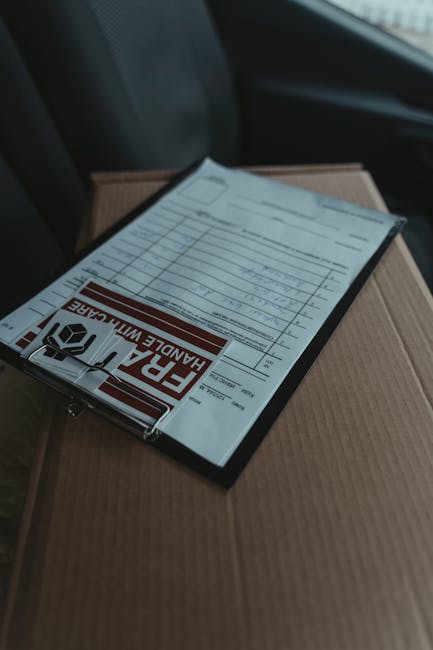
Man With Van Removal Services in London

Man With Van Removal Services in London provides practical moving support for household and business items that need careful handling, straightforward loading and sensible route planning. Our work covers smaller removals, part-load moves, single bulky items and wider van-based transport where customers want a flexible service rather than a large-scale removal team. The focus is on getting belongings moved in an organised way, with clear attention to access, packing and the order in which items are handled.
Because every move is different, we adapt the service to the task rather than forcing the same approach everywhere. That can mean moving furniture from one property to another, taking items from a flat into storage, or helping a business shift selected equipment and office contents. We keep the service broad enough to suit many moving situations, while still staying centred on man and van removals as the main offer. If you already know the type of move you need, it is usually best to begin with a clear plan and then request a quotation.
For many customers, the practical value lies in using one service for loading, transport and delivery without having to coordinate several separate firms. When the move is simple, this keeps things efficient; when the move is more involved, it still gives room for careful handling and a paced approach. Tell us what needs moving, how access works at each address and whether any items need extra care. If you are comparing options, keep reading for the main service groups and the kinds of jobs they suit.
House and flat removals
House and flat removals are often best handled as a measured, item-by-item service, especially when stairs, tight hallways or limited parking affect the move. Our van-based removals are suitable for smaller homes, shared accommodation and partial household moves where a full lorry is unnecessary. We can move furniture, boxes, white goods and general household contents in a way that keeps the process structured and easier to manage.
When a property move involves a mixture of furniture and loose items, packing order matters. Heavy items should generally travel securely, with lighter boxes placed so they do not crush or shift. House removals can be a sensible option when you want the emphasis on domestic belongings rather than a purely commercial move, while home moves can suit customers looking for broader support across the same type of household relocation. The right choice usually depends on how much needs shifting, how far it is going and whether loading access is straightforward.
For smaller domestic jobs, the practical question is often not simply how much space the load needs, but how the items should be handled on the day. Soft furnishings, wardrobes and awkward furniture may need to be dismantled or protected in advance, while boxed items can usually be stacked more predictably. Use a short written list if that helps you stay organised, and keep note of anything fragile or unusually heavy. A clear description now makes it easier to prepare a suitable quotation later.
Furniture and single-item transport

Not every job is a full move. Sometimes the need is simply for one sofa, bed, table, appliance or similar item to be collected and delivered safely. That is where furniture pick-up and van transport can be especially useful, because the service can be scaled to the item rather than the whole property. This is often a practical choice for marketplace purchases, replacements, or pieces that are too awkward to fit in a regular car.
Single-item transport still benefits from the same care as a larger relocation. It helps to consider dimensions, weight, wrapping and the route from room to van, especially if the item has to pass through narrow doors or shared entrances. Man with van is the broad service description for this flexible approach, while removals van can be a useful term when the job mainly needs reliable transport capacity. For customers who want a simple moving solution without unnecessary extras, this can be a cost-conscious and straightforward way to get one piece of property from A to B.
Where furniture is valuable, glass-fronted or already partly assembled, the best results usually come from deciding in advance whether it needs covering, dismantling or extra lifting help. Keep straps, blankets or cartons ready if those will be needed, and make sure someone can confirm access at collection and delivery points. If the item is delicate or unusually shaped, mention that when asking for a quote so the moving plan can reflect the real work involved rather than a rough estimate.
Office and commercial removals
Businesses often need moving help for desks, chairs, filing, stock, IT equipment and boxed records rather than a complete office strip-out. Our man with van service can support smaller commercial relocations and scheduled deliveries where flexibility matters more than scale. That makes it suitable for office corners, studio spaces, small shops and home-based businesses that need a careful transfer of selected equipment.
Office relocation services are useful when the move needs planning around working hours, item lists and desk or equipment placement, while commercial moves can cover wider business relocations that still fit a van-based method. In many cases the goal is to keep the process tidy and predictable: remove what is going, keep essential items together and deliver them in the right order. Our support is aimed at practical movement, not unnecessary disruption, so the route, load sequence and unloading point all matter.
If your business contents include monitors, printers, archive boxes or specialist tools, it is worth separating items that need careful packing from those that can travel as ordinary load. A move with office contents often works best when the customer identifies which pieces are most important on arrival and which can be delivered later in the unload sequence. That keeps the day organised and helps avoid extra handling. For a work move, clarity is usually more valuable than assumptions, so a concise list is ideal.
Packing, loading and move preparation
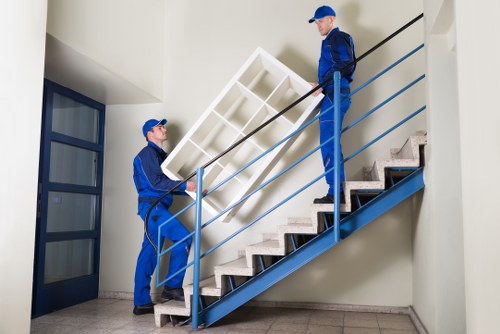
Packing affects both safety and speed, so it deserves proper attention even on a smaller removal. Packing and unpacking services can support customers who want help making the load stable, manageable and easier to place at destination. Good packing reduces damage risk, but it also makes loading more efficient because boxes can be stacked more logically and fragile items can be grouped away from heavier pieces.
Some moves only need partial preparation, while others benefit from a fuller plan. A practical approach is to separate items by room or by priority, then decide which objects need dismantling, wrapping or extra care. The following simple checklist can help before you request a quotation:
- note the larger furniture items and any awkward shapes
- identify fragile belongings, mirrors or glass items
- confirm if stairs, parking or restricted access will affect loading
- say whether you need loading only, delivery only or both
Customers often find that a few sensible decisions beforehand save time on the day. For example, if boxes are already labelled by room, unloading becomes simpler and the van contents can be arranged more clearly. Similarly, if dismantled furniture is kept with its fixings, reassembly is easier to manage. We do not need every detail in advance, but the more accurate the outline, the easier it is to shape a service that fits the move without overcomplication.
Van hire, transport and flexible moving support
Some customers do not need a full removal package; they need transport capacity and practical loading support. Moving van and moving truck pages reflect the broader transport side of the service, while removal truck hire can be relevant when the moving plan is centred on the vehicle itself. For many smaller jobs, the flexibility of a van-based move is the key advantage, because it can suit mixed loads, shorter distances and less complex collections.
This sort of transport work is useful when items are ready to go and the main need is dependable carriage. It can also support moves where the start and end points are straightforward but the load includes items that should not be left to ordinary parcel delivery. The service remains focused on removals rather than freight logistics, so the emphasis is on handling household and commercial belongings carefully and delivering them in usable condition. If you are unsure whether your job is best classed as a move or a transport task, describe the items and the route and we can help you judge the most suitable option.
For multi-stop or part-load moves, the order of loading becomes especially important. Heavier items may be placed to reduce movement, while lighter boxes and loose pieces are positioned around them. Good planning reduces the chance of damage and makes unloading more orderly. If the move involves both pick-up and drop-off at more than one address, mention that early so the journey can be arranged in a sensible sequence rather than treated as a standard single-stop trip.
Recycling, disposal and the end of a move

Removal work sometimes leaves customers with items that are no longer wanted but still need responsible handling. Recycling and sustainability is relevant where unwanted furniture, mixed materials or reusable household goods need to be sorted rather than simply shifted. A van-based removal service can be helpful here because the load can be separated into what is being kept, what is being passed on and what should be taken for appropriate processing.
There are also occasions when furniture pick-up is part of clearing a room, storage unit or business space before a move. In those cases the challenge is to decide what remains in use and what should leave with the van. If you are arranging a removal and there are items you no longer need, say so when making contact. That lets the job be planned with the right vehicle space and with a sensible handling order, instead of treating everything as identical cargo.
We also recognise that some customers want a move to be tidy at both ends. A well-managed removal reduces the chance of unnecessary waste, because items that can still be used may be separated from items that are beyond use. If a disposal element forms part of your job, explain whether it is a few isolated pieces or a larger mixed load. This helps the quotation reflect the real scope and keeps the moving plan practical from the start.
Pricing, quotations and booking a move
Pricing and quotes is the best place to think through the main factors that shape a removal quotation. Distance, load size, access, waiting time, number of items and any special handling needs can all influence the final figure. Rather than guessing, it is better to describe the move as plainly as possible so the estimate is grounded in the actual work. For most customers, the most useful quotation is the one that matches the real move, not the simplest description of it.
When preparing to ask for a price, keep your focus on the essentials. State what is moving, where it is going and whether there are any awkward access points, such as narrow staircases or loading restrictions. If there are items that need dismantling or extra protection, include that too. A clear quote request is often the quickest route to a sensible service arrangement, because it reduces back-and-forth and gives room for accurate planning. Short, factual notes are usually better than long explanations.
Once you have the details ready, the next step is simple: tell us what needs moving and ask for a quotation. You can compare options, choose the level of support you need and decide whether the job is best suited to a small domestic move, a business relocation or a one-off furniture collection. If you want to proceed, request your quote today. For direct contact details, use our contact us page.
About London
London is a city shaped by layers of history, from the Roman settlement of Londinium to the modern metropolis spread along the Thames and beyond. Its geography is unusually varied for such a dense capital: riverside stretches, historic squares, residential suburbs, business districts and major green spaces all sit within one administrative region. The River Thames remains central to the city’s identity, curving through the centre and linking places such as Westminster, the City, Southwark and Greenwich. Across the capital, architecture ranges from medieval fragments and Georgian terraces to Victorian railway infrastructure, post-war estates and contemporary towers, creating a built environment that changes quickly from one street to the next.
Many of London’s most familiar landmarks are also part of its cultural life rather than just tourist scenery. The Tower of London, Westminster Abbey, St Paul’s Cathedral and the Palace of Westminster represent different eras of national and civic history, while places such as Covent Garden, the South Bank and the West End are strongly associated with performance, entertainment and public gathering. Parks play an equally important role: Hyde Park, Regent’s Park, Hampstead Heath and Richmond Park offer large open landscapes within the urban fabric, and smaller commons, garden squares and local greens provide quieter breathing space in many districts. The city’s transport network, especially the Underground and rail termini, has long influenced how people move between neighbourhoods, helping London function as a collection of linked centres rather than a single core. Borough identities remain strong, but the city also feels interconnected through markets, museums, river paths, theatres and civic institutions that attract daily use as well as visitors.
Household and business moves made practical

Our moving work is best understood as a practical service for people who want belongings handled carefully, transported sensibly and delivered without unnecessary fuss. Whether the task is a small flat move, a furniture collection or a business relocation with selected equipment, the goal is the same: to keep the process organised. We can help with the load itself, but we also pay attention to the sequence of work, because the order in which items are prepared and moved often affects how smooth the day feels overall.
It can be helpful to think of the service in terms of decisions rather than categories alone. For example, you may already know that you need van transport, but you may still need to decide whether packing support, extra lifting or multiple stops are part of the job. That is why we encourage customers to describe the move clearly and ask for a quotation based on the full picture. If you have only a few items, mention that; if the load is mixed, mention that too. A clearer brief usually leads to a more suitable plan.
If you are ready to move forward, keep the request simple and specific. Say what needs moving, where it is going and what makes the job different from an ordinary collection. Then request a quotation and let us help you choose the right approach for your removals. The earlier you share the essentials, the easier it is to shape a service that fits your move and keeps the day manageable from start to finish.