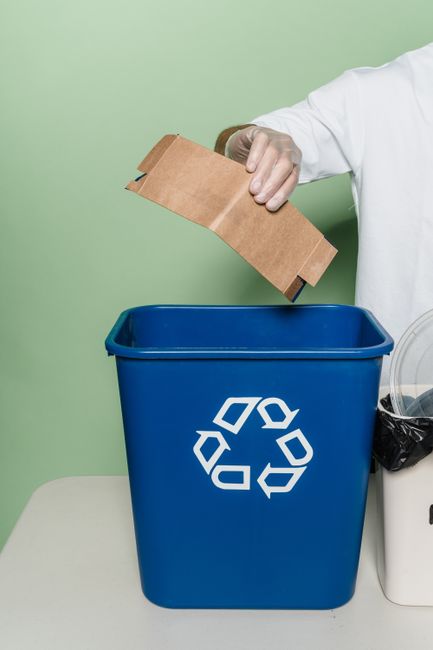
Eco-Friendly Packing: Low-Waste Materials Movers Recommend
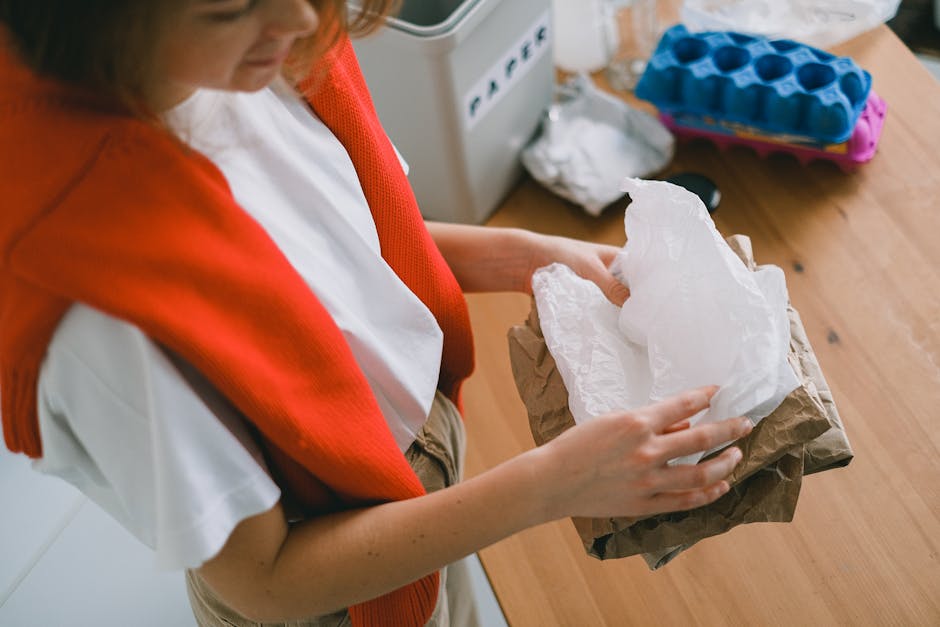
Moving house or office has a way of producing far more waste than people expect. The pile of boxes, the bubble wrap, the odd roll of tape, the bin bags full of paper that never quite get recycled properly - it adds up quickly. That is why Eco-Friendly Packing: Low-Waste Materials Movers Recommend has become such a sensible approach for anyone who wants a smoother move without the usual mountain of rubbish.
Done well, low-waste packing is not about being precious or overcomplicated. It is about using materials that protect your belongings, can be reused, and do not create a mess you will be dealing with for weeks afterwards. Whether you are moving a flat in London, clearing a family home, or shifting an office full of files and furniture, the right packing choices can save time, stress, and a fair bit of waste. And yes, it can still be practical. Probably more practical, if we are honest.
In this guide, you will find what eco-friendly packing actually means, why movers recommend it, how to do it properly, and what materials are worth using. There is also a checklist, a comparison table, and a few real-world tips from the sort of situations people run into on moving day. Let's keep it useful.
Why Eco-Friendly Packing: Low-Waste Materials Movers Recommend Matters
Packing waste is one of those things people barely notice until they are standing in a hallway surrounded by broken boxes, torn paper, and plastic wrap that seems to have a life of its own. Then the reality hits. A standard move can generate a surprising amount of single-use material, much of which is awkward to recycle or too damaged to reuse.
That matters for a few reasons. First, it is wasteful in the most literal sense. You buy or collect materials, use them once, and send them straight to disposal. Second, it is inefficient. A lot of traditional packing materials are bulkier than necessary, or they protect well but create extra rubbish that has to be sorted later. Third, there is a practical side that often gets missed: low-waste packing can make unpacking calmer and cleaner. Less mess. Less time hunting through endless bags.
For movers, low-waste packing is also a sign of good planning. It shows you have thought about the journey, the storage conditions, and the final destination. In other words, you are not just wrapping things up and hoping for the best. You are packing with a bit of sense, which frankly helps more than most people expect.
If you are arranging a domestic or commercial move, it is also worth thinking about the wider moving process, not just the boxes. Services such as packing and unpacking services can reduce waste by ensuring materials are used correctly and not over-ordered. That sort of support can be especially useful when time is tight.
How Eco-Friendly Packing: Low-Waste Materials Movers Recommend Works
The basic idea is simple: choose materials that do the job well, can be reused where possible, and are easy to recycle or dispose of responsibly when they are no longer useful. That does not mean every item must be compostable or every box must be second-hand. It means being deliberate rather than defaulting to the nearest pile of plastic.
In practice, low-waste packing works through a few smart decisions:
- Reuse first. Use boxes, cartons, tubs, paper, and padding you already have whenever they are clean and structurally sound.
- Choose recyclable options. Cardboard, paper tape, and paper-based cushioning are usually easier to process than mixed plastic materials.
- Reduce overpacking. Use the minimum amount of material needed to protect each item safely.
- Bundle by room and fragility. Good organisation cuts the need for duplicate wrapping and wasted filler.
- Pack for the destination. If you know something will be unpacked quickly, it does not need a fortress of materials around it.
There is a nice rhythm to it once you get going. A stack of sturdy boxes. A few rolls of paper tape. Clean cloths, towels, and blankets for padding. Maybe reusable crates for business equipment. The aim is not perfection. It is fewer throwaway layers and smarter use of what already exists.
For bigger jobs, it can help to work with a proper removal business that already understands efficient loading and packing. Pages like removal services and home moves show the kind of support that can make this easier, especially if you are trying to keep the move tidy from start to finish.
Key Benefits and Practical Advantages
Low-waste packing is not just a feel-good choice. It has real benefits that show up during the move itself and after the van has gone.
Less rubbish to deal with
This is the obvious one, but it is worth saying clearly. Fewer disposable materials means fewer bin bags, less sorting, and less awkward leftover clutter in your new place. That matters when you arrive tired and the kettle is the only thing you care about. Truth be told, people rarely want to spend the first evening of a move separating mountains of plastic film.
Better organisation
Using reusable tubs, labelled boxes, and sensible wrapping systems tends to make everything neater. You can see what belongs where, and you waste less time opening three layers of packaging to find one saucepan.
Lower risk of damage when done properly
Eco-friendly does not mean flimsy. A thick blanket, corrugated cardboard, or folded paper padding can protect glassware and furniture edges very well if used correctly. In many cases, the right material is safer than overstuffing a box with random plastic scraps.
Potential cost control
Reusable materials often reduce the number of items you need to buy. If you already have suitcases, storage crates, laundry baskets, or wardrobes with hanging rails, use them. The savings are not always dramatic, but over a full move they can be noticeable.
Better for short-term storage too
If belongings will sit in storage for a while, breathable, low-waste materials can be a better fit than tightly wrapped plastic. Boxes that stay dry and well-sealed are usually enough for many household items, while furniture blankets are often kinder to surfaces than cling film.
A more professional feel
This is especially relevant for office moves. Clean, repeatable packing methods make it easier to stage, transport, and reassemble items. If you are managing a commercial move, a service such as office relocation services can help keep things efficient without turning the workspace into a packaging landfill.
Who This Is For and When It Makes Sense
Eco-friendly packing is useful for almost anyone, but it is especially sensible in a few situations.
- Home movers who want to keep the move manageable and avoid unnecessary waste.
- Families dealing with lots of mixed items, toys, books, kitchenware, and soft furnishings.
- Flat sharers who need quick, low-cost packing that does not create a massive disposal job afterwards.
- Businesses and offices looking for tidy, repeatable packing that supports a smooth relocation.
- People moving locally who may have access to reusable crates, borrowed boxes, or short-term storage.
- Anyone with fragile items who wants proper protection without defaulting to plastic-heavy packaging.
It makes particular sense if you are moving within London, where space is often tight and rubbish storage is not exactly generous. A hallway full of flattened boxes and mixed packaging can become a nuisance very quickly. In those situations, packing neatly is not just green. It is sensible city living.
If you are not sure what level of support you need, it can be helpful to look at options like man and van or man and van removals, especially for smaller moves where flexibility matters. A lighter move often means fewer materials, fewer trips, and less waste overall.
Step-by-Step Guidance
Here is a practical way to approach low-waste packing without making the process more complicated than it needs to be.
1. Sort before you pack
Do not pack things you no longer want. It sounds obvious, but this is where people create unnecessary waste. Sort room by room and decide what you are keeping, donating, recycling, or throwing out. The less you move, the less you pack. Simple, really.
2. Gather reusable materials first
Check what you already have. Suitcases, tote bags, storage boxes, laundry baskets, blankets, towels, tea towels, tissue paper, paper bags, and sturdy cardboard boxes can all be useful. If you are collecting boxes from shops or neighbours, make sure they are dry, clean, and not weakened by damp or heavy previous use.
3. Choose a few packing categories
Do not overcomplicate the system. Keep it to a few core material types:
- Cardboard boxes for books, kitchen items, and general household goods
- Paper for wrapping and light cushioning
- Fabric for soft padding around fragile objects
- Reusable crates or tubs for heavy or frequently moved items
- Paper tape for sealing where appropriate
4. Pack heavy items correctly
Books, tools, and cookware are best packed in smaller boxes so they do not become impossible to carry. Keep weight balanced. If a box feels like it has been filled with bricks, it probably has. That is the wrong vibe for moving day.
5. Protect fragile items with what you have
Use paper, socks, dish towels, scarves, or cardboard dividers around fragile pieces. Plates can stand on edge with padding between them. Glasses should not rattle. If they do, you need more cushioning or a smaller box.
6. Label clearly
Use large, readable labels showing the room, contents, and whether the box is fragile. This avoids unnecessary reopening and repacking later, which is where waste sneaks back in. A tidy label now saves a lot of faff later.
7. Keep a separate essentials bag
Pack a small bag with chargers, toiletries, keys, snacks, medication, documents, and a change of clothes. This stops you from ripping into boxes on arrival looking for one phone cable. Happens more often than people admit.
8. Unpack and reuse quickly
As soon as you can, flatten boxes, separate recyclable materials, and store reusable tubs for future use. The eco-friendly part only works fully if the materials get a second life, not if they sit in a corner for months.
Expert Tips for Better Results
Here is where a bit of moving experience helps. The most effective low-waste packing is usually not about finding the "greenest" item on a shelf. It is about using the right material in the right place.
Choose strength over novelty
A reused box that is still solid is better than a fancy alternative that collapses halfway through the stairs. Sustainability is pointless if the item fails. Movers tend to prioritise dependable materials for exactly that reason.
Use your home textiles strategically
Blankets, towels, pillowcases, and even clean jumpers can work hard during a move. They are especially useful for protecting mirrors, lamps, and kitchen items. That said, avoid using anything damp or heavily scented. Nobody wants a wardrobe that smells faintly of last week's washing basket.
Keep mixed-material packaging to a minimum
The more materials stuck together, the harder they are to separate and recycle later. A box lined with plastic, covered in excessive tape, and wrapped in film is a recycling headache. Simpler is better.
Be realistic about tape
Even with low-waste packing, you will still likely need some tape. The trick is using just enough to secure the box, not enough to create a waterproof fortress. Paper tape can be a useful choice, but whatever you use, keep it neat.
Think about access and loading order
In the van, the way things are packed affects fuel use, breakage risk, and loading time. Lighter, reusable items near the top; heavy boxes low down; fragile items protected and kept stable. A well-loaded van means fewer re-pack jobs later. This is one reason a good moving van setup matters, especially if the route involves tight streets or multiple stops.
Plan for donation and recycling before moving day
It helps to know where useful but unwanted items will go. Have a donation pile, a recycling pile, and a disposal pile. That way you are not standing in the doorway on the morning of the move wondering what to do with three broken coat hangers and a chipped shelf.
Common Mistakes to Avoid
People often try to be eco-friendly but end up making the move less efficient. A few common mistakes come up again and again.
- Using damaged boxes that look fine until they buckle under weight.
- Wrapping everything in too much paper and creating more waste than necessary.
- Mixing recyclable materials with plastic film so sorting becomes harder.
- Overfilling boxes to "save space," which usually leads to breakage.
- Ignoring moisture risk when packing into basements, vans, or storage.
- Using random bins or bags for everything without considering weight distribution.
- Forgetting unpacking and creating a pile of materials at the new property.
One subtle mistake is thinking low-waste packing must look minimalist or perfect. It does not. Sometimes a sensible mix of reused cartons, folded paper, and a few carefully chosen protective layers is the best answer. Good packing is quiet. It does not need to show off.
Tools, Resources and Recommendations
You do not need specialist kit to pack in a low-waste way, but a small, well-chosen set of tools makes life easier.
| Material or tool | Best use | Low-waste advantage |
|---|---|---|
| Sturdy cardboard boxes | General household packing | Widely recyclable and reusable if kept dry |
| Reusable crates | Repeated handling or office items | Long life and easy stacking |
| Paper tape | Sealing boxes lightly to moderately | Less plastic than standard tape |
| Blankets and towels | Padding furniture and fragile items | Double as household items and packing protection |
| Paper wrapping | Wrapping dishes, glasses, and decor | Typically easier to recycle than plastic wrap |
| Labels and marker pens | Organisation and room sorting | Reduces unnecessary reopening and repacking |
If you are moving larger items, furniture or appliances, it may be more efficient to pair low-waste packing with a removal team that understands safe handling. Services such as movers, removal company, and house removals can help match the packing method to the item size and journey length.
For people clearing bulky items that do not need full wrapping, a service like furniture pick up may also be relevant if the goal is to move, reuse, or dispose of items responsibly. That can cut waste when furniture is no longer worth packing at all.
Law, Compliance, Standards, or Best Practice
For most household moves, there is no special legal requirement that says you must use one packing material over another. The real issue is good practice: safe handling, responsible waste disposal, and not creating unnecessary risk for people or property.
In the UK, it is sensible to follow local recycling guidance where possible, because what can be collected varies by council and waste contractor. That means cardboard, paper, and some clean packaging may be recyclable, but mixed or contaminated materials often are not. If in doubt, keep materials separate and dry until you can sort them properly.
For movers and removal businesses, health and safety standards matter too. Safe lifting, clear walkways, and appropriate packing methods reduce the chance of injuries and damage. If a company talks openly about health and safety policy and insurance and safety, that is generally a good sign. Not glamorous, but reassuring.
Best practice also includes honesty about limits. Some items simply need extra protection. Electronics, antiques, artwork, and delicate glass may require more specialised packing, even if that means using some conventional protective material. Eco-friendly does not mean reckless, and it certainly does not mean pretending every item can survive a wobble on the North Circular without proper support.
Options, Methods, or Comparison Table
To help with decision-making, here is a simple comparison of common packing approaches. The best choice often depends on the item, the distance, and whether you want to reuse materials afterwards.
| Method | Best for | Pros | Trade-offs |
|---|---|---|---|
| Reused cardboard boxes + paper wrap | Household items, books, kitchenware | Low cost, easy to recycle, familiar to handle | Needs checking for strength and dryness |
| Reusable crates + fabric padding | Frequent moves, office items, tidy packing | Very low waste, durable, stackable | Can be bulky to store if you own them permanently |
| Plastic crates + limited paper cushioning | Mixed loads, short local moves | Strong and reusable | Not always easy to source or store |
| Traditional single-use packing | Fast, one-off packing jobs | Convenient and widely available | Creates the most waste and can be costly over time |
| Hybrid low-waste approach | Most home and office moves | Balanced, practical, flexible | Requires a bit more planning |
In most real moves, the hybrid approach wins. A few reusable tubs here, some strong cardboard there, plus towels and paper where needed. It is not fancy. It just works.
Case Study or Real-World Example
A small family moving from a two-bedroom flat in South London had a fairly typical problem: too many books, a fragile stack of kitchen items, and not much storage space in the new place. They did not want to buy a mountain of packing materials they would throw away two days later.
So they used what they already had. Suitcases for heavier clothes, laundry baskets for soft items, tea towels for plates, blankets for lamps, and a set of reused cardboard boxes for books and kitchen stock. They borrowed a couple of crates from a neighbour for the most awkward items. Nothing dramatic. Nothing glossy.
The result? Less waste, fewer bags to drag to the bin store, and a much easier unpacking process because everything had been grouped properly. The family also found that they were less likely to overpack boxes when they used smaller, purpose-specific containers. That made the moving team's job easier too, which matters more than people think when vans are being loaded in a hurry on a narrow London street at 8:30 in the morning.
The same logic works for offices. A business that is relocating files, monitors, stationery, and lightweight equipment can reduce waste by using reusable crates and structured labelling. If you need that kind of support, office removals is the sort of service that fits this style of move well.
Practical Checklist
Use this as a quick pre-move check. Not glamorous, but very handy.
- Sort and declutter before packing begins
- Reuse clean boxes, crates, bags, and tubs where possible
- Choose paper, fabric, and cardboard-based protection first
- Keep tape use to the minimum needed for secure sealing
- Separate fragile, heavy, and essentials items early
- Label every box clearly with room and contents
- Keep reusable materials dry and undamaged
- Plan donation and recycling drop-off before move day
- Protect fragile items with soft household textiles where suitable
- Leave an essentials bag unpacked and easy to reach
- Flatten and store or recycle materials promptly after the move
- Check whether your mover offers packing support or material advice
Expert summary: The best low-waste move is rarely the one with the most "eco" branding. It is the one that uses fewer materials overall, protects items properly, and makes unpacking straightforward. Simple, durable, reusable - that is the sweet spot.
Conclusion
Eco-friendly packing is not about making moving day harder. It is about making it cleaner, calmer, and more sensible. When you choose reusable, recyclable, and low-waste materials, you reduce clutter before, during, and after the move. You also make it easier to sort, carry, and unpack everything without creating a pile of packaging that will sit around annoying you for days.
The best movers do not just transport boxes; they help make the whole process feel manageable. And low-waste packing is a big part of that. Start with what you already own, choose materials that can do more than one job, and keep the system simple enough that you will actually follow it. That is usually where the real savings come from.
If you are preparing a move and want the packing side handled in a practical, low-waste way, it is worth exploring your options early rather than leaving it to the last minute. A little planning goes a long way, honestly.
Get a free quote today and see how much you can save.
Frequently Asked Questions
What does eco-friendly packing actually mean?
It means using packing materials and methods that create less waste, are easier to reuse or recycle, and still protect your belongings properly. In practice, that usually means cardboard, paper, fabric, reusable tubs, and careful planning rather than lots of single-use plastic.
What are the best low-waste materials for moving house?
Sturdy cardboard boxes, reusable crates, paper tape, paper wrapping, blankets, towels, and other clean household fabrics are all useful. The "best" material depends on what you are packing, but those basics cover most household and office moves.
Can I still protect fragile items without bubble wrap?
Yes, often you can. Plates, glasses, and ornaments can be packed with paper, cardboard dividers, tea towels, or soft clothing. The key is keeping items stable so they do not shift inside the box. If they rattle, add more padding or use a smaller box.
Is eco-friendly packing more expensive?
Not necessarily. If you reuse materials you already have, it can be cheaper. Even when you buy some new supplies, the cost can be manageable because you are often using fewer items overall. The bigger savings usually come from avoiding waste and overbuying.
What should I do with packing materials after the move?
Separate reusable materials for future use, flatten cardboard for recycling, and keep paper or fabric padding clean and dry if you plan to reuse it. If something is damaged or contaminated, dispose of it according to local recycling and waste rules.
Are second-hand boxes safe to use?
Usually yes, provided they are dry, clean, and still structurally sound. Avoid boxes that smell damp, have crushed corners, or feel weak when lifted. A good box should be boring in the best possible way - no wobble, no sagging, no drama.
How can I make my office move less wasteful?
Use reusable crates where possible, keep items grouped by department or function, and label everything clearly. For office equipment and files, a structured packing plan reduces duplicate wrapping and speeds up unpacking. It also helps if the removal team is used to commercial jobs.
Do movers recommend paper tape over plastic tape?
Where suitable, yes. Paper tape can make recycling easier because it reduces mixed materials. That said, the best choice depends on the box and the load. If a stronger seal is needed, the priority should still be secure packing.
What is the biggest mistake people make with low-waste packing?
Trying to be too "green" by using weak or unsuitable materials. Sustainability only works if the item survives the move and the packing stays manageable. Using a sensible mix of reused and recyclable materials is usually the safer approach.
Can low-waste packing work for long-distance moves?
Yes, but it needs more care. For longer journeys, items must be packed securely so they do not shift during transport. You can still use low-waste materials, but the load needs to be stronger and better organised.
Do I need professional packing help for an eco-friendly move?
Not always, but it can help if you are short on time, have fragile items, or are moving a lot of furniture. Professional packing support can reduce waste by making sure materials are used properly and not overused. It is especially useful for bigger homes and office relocations.
How do I start if I have no packing supplies yet?
Start by decluttering and collecting what you already own: suitcases, baskets, drawers, tote bags, towels, and sturdy boxes. Then add only the essentials you genuinely need. The easiest low-waste move is the one that begins with less stuff, not more supplies.